

 By
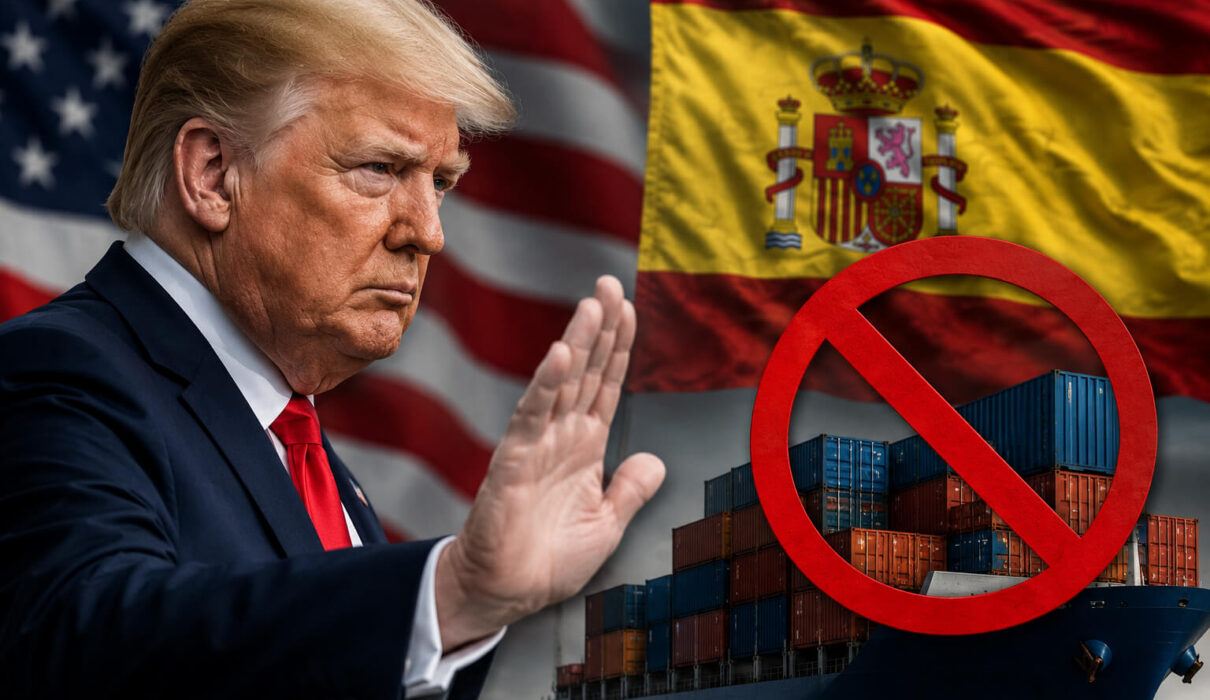
By U.S. President Donald Trump announced on July 8, 2026, that he had instructed Treasury Secretary Scott Bessent to cut off all trade with Spain during the NATO Summit in Ankara, Türkiye. Trump accused Spain of being a “terrible partner” within NATO, linking the move to disagreements over defense spending and Spain’s position on recent U.S. military actions involving Iran. The announcement marks one of the sharpest public confrontations between the United States and a longtime European ally in recent years.
The statement immediately drew global attention because Spain isn’t just another trading partner. It’s a NATO member, a European Union country, and home to key U.S. military facilities. While Trump presented the decision as a response to what he described as Spain’s lack of commitment to the alliance, the broader economic and diplomatic consequences remain uncertain.
Why Trump Turned Against Spain
The dispute has been building for months, but it intensified at this year’s NATO summit.
Trump criticized Spain for refusing to fully support NATO’s newly proposed defense spending target of 5% of GDP. Spain has already increased its military spending to around 2% of GDP, yet Prime Minister Pedro Sánchez’s government has resisted committing to the much higher goal backed by Washington and several other allies.
Another major source of tension involves the conflict with Iran. According to multiple reports, Spain declined to allow the United States to use Spanish airspace and military bases for operations related to the Iran conflict. Trump has repeatedly argued that allies benefiting from U.S. security should provide stronger military support in return.
Standing alongside NATO Secretary General Mark Rutte in Ankara, Trump publicly described Spain as a “terrible partner” and said he wanted no further business with the country, signaling a dramatic escalation in U.S.-Spain relations.
Can the United States Really Stop Trade With Spain?
That’s the question many economists and legal experts asked almost immediately.
The situation is more complicated than Trump’s announcement suggests because Spain trades with the United States as part of the European Union’s single market. Trade agreements between the U.S. and the EU are generally negotiated at the European level rather than with individual member states.
That means implementing a complete trade cutoff aimed only at Spain could face significant legal, economic, and diplomatic hurdles. Even if the White House pursues restrictions, experts say any sweeping action would likely encounter challenges under existing trade frameworks and international agreements.
Markets reacted quickly to Trump’s remarks. Spanish stocks fell after investors weighed the possibility of worsening trade tensions, although analysts noted that Spain’s integration within the EU could limit the practical impact of unilateral U.S. measures.
Spain’s Response Was Measured
Rather than responding with equally strong language, Spain chose a more restrained approach.
Officials in Madrid emphasized that bilateral relations with the United States remain important and pointed out that trade policy involving EU countries is handled collectively through Brussels. Spanish officials also highlighted that the country’s trade relationship with the U.S. includes significant American exports, making any disruption costly for businesses on both sides.
Prime Minister Pedro Sánchez’s government has maintained that Spain remains committed to NATO while balancing its own foreign policy priorities. The government continues to support the alliance but has resisted pressure to match the defense spending levels demanded by Washington.
Why This Matters Beyond Spain
The dispute isn’t simply about one country’s defense budget.
It reflects broader disagreements over NATO’s future, burden-sharing among allies, and the role European governments should play in U.S.-led military operations. Trump’s criticism suggests that his administration is prepared to use economic pressure alongside diplomatic pressure to push allies toward Washington’s strategic goals.
The timing also matters. NATO leaders gathered in Ankara to discuss European security, continued support for Ukraine, growing tensions in the Middle East, and long-term defense commitments. Instead of presenting a united front, the summit became dominated by disagreements over alliance responsibilities and U.S.-European relations.
Businesses are watching closely because Spain exports products such as olive oil, auto parts, chemicals, and industrial goods to the American market. Any prolonged disruption could affect manufacturers, exporters, logistics companies, and consumers on both sides of the Atlantic. Still, analysts believe Spain’s overall exposure may be lower than that of some other European economies due to the relatively limited share of its exports that go to the United States.
The announcement also raises questions about future negotiations between Washington and the European Union. If tensions continue to rise, the dispute could expand beyond Spain and influence broader U.S.-EU trade relations.
For now, Trump’s declaration represents a significant political signal more than an immediate economic reality. Whether the administration can fully implement a trade cutoff-and how Europe chooses to respond-will likely determine whether this remains a dramatic summit headline or develops into a wider transatlantic trade conflict in the months ahead.