

 By
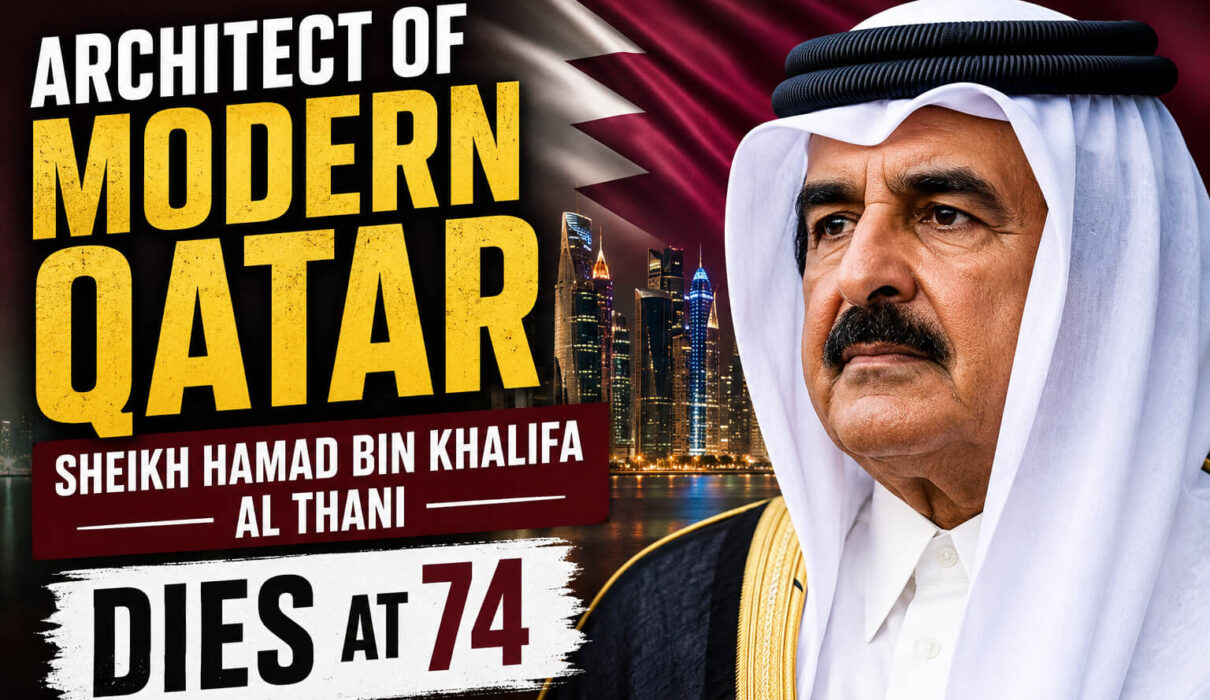
By Former Qatar Emir Sheikh Hamad bin Khalifa Al Thani, widely regarded as the architect of modern Qatar, has died at the age of 74. Qatar’s Amiri Diwan announced his death on July 12, 2026, though no official cause was disclosed. Sheikh Hamad ruled the Gulf nation from 1995 to 2013 and is widely credited with transforming Qatar from a relatively quiet gas-producing state into one of the world’s most influential countries in diplomacy, energy, media, and global investment.
His passing marks the end of an era for Qatar. While he stepped away from power more than a decade ago, many of the country’s biggest achievements-from its international influence to its economic strength-can still be traced back to decisions made during his leadership.
The Leader Who Changed Qatar’s Global Position
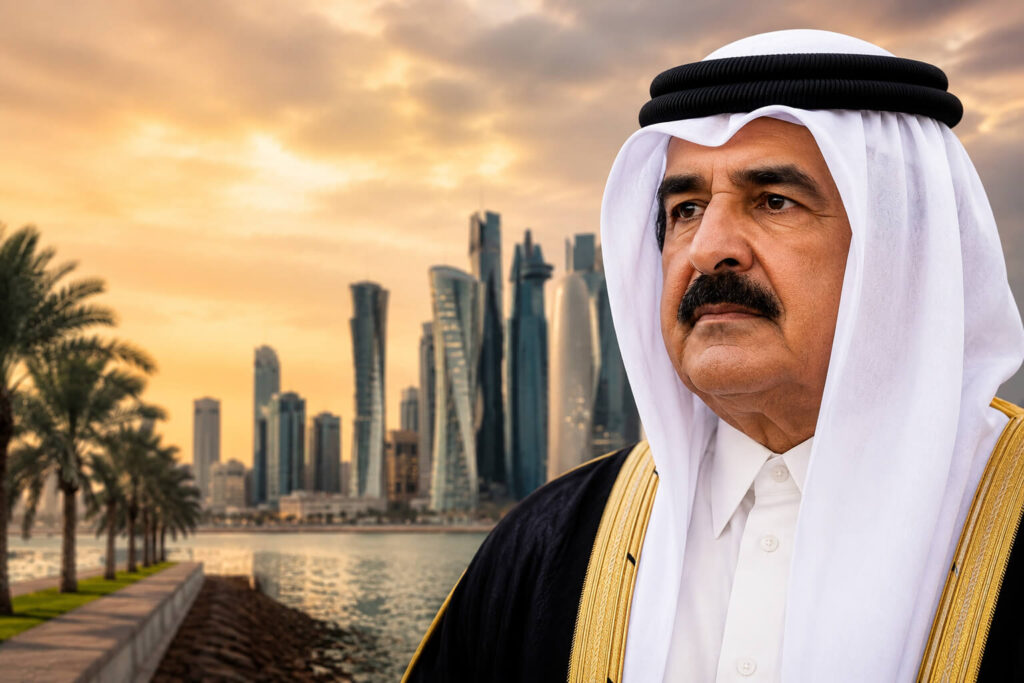
When Sheikh Hamad took power in 1995, Qatar was already rich in natural gas, but it had little international influence. Over the next 18 years, his government focused on using that wealth to build long-term global relevance rather than relying only on energy exports.
Massive investments in infrastructure, education, aviation, finance, and overseas assets reshaped the country’s image. Qatar Airways expanded into one of the world’s leading international airlines, while Qatar became a major investor in businesses and landmarks across Europe and beyond. During the same period, the country also strengthened its position as the world’s leading exporter of liquefied natural gas, giving it enormous economic leverage.
His vision wasn’t limited to economics. Sheikh Hamad believed Qatar could become a diplomatic bridge in a region often marked by conflict, giving the small Gulf nation an outsized role in international negotiations.
Why Is Sheikh Hamad Considered the Architect of Modern Qatar?
The answer is straightforward: most of Qatar’s modern identity was built during his rule.
He oversaw the launch and rapid growth of Al Jazeera, helping Qatar become a major voice in international media. His government also invested heavily in education, healthcare, transportation, and sports. Perhaps the biggest global milestone came when Qatar secured the rights to host the 2022 FIFA World Cup, an achievement that permanently raised the country’s international profile.
His foreign policy often attracted attention as well. Qatar maintained dialogue with a wide range of regional players, allowing it to serve as a mediator in several international disputes. While some of those relationships proved controversial, they also helped establish Qatar as a country whose diplomatic influence extended far beyond its size.
A Rare Peaceful Transfer of Power
One of Sheikh Hamad’s most unusual decision in June 2013, when he voluntarily stepped down and handed power to his son, Sheikh Tamim bin Hamad Al Thani.
Such peaceful transitions are uncommon among hereditary Gulf rulers. The move was viewed by many analysts as an effort to ensure political stability and prepare Qatar for a new generation of leadership at a time when much of the Middle East was experiencing significant political change.
Although Sheikh Hamad remained respected as the “Father Amir,” he largely stayed out of day-to-day politics after his abdication while continuing to appear at major national events, including the opening ceremony of the 2022 FIFA World Cup.
Tributes Follow News of His Death
Following the announcement, condolences began arriving from leaders across the region and beyond. Indian Prime Minister Narendra Modi described Sheikh Hamad as a visionary leader who helped transform Qatar and strengthen its global standing while also contributing to closer relations between India and Qatar.
Inside Qatar, Sheikh Hamad is remembered not only as a former ruler but as the leader who laid the foundations for the country’s modern economy, international reputation, and long-term development.