


 By
By Introduction
You know your pet well-your dog greets you at the door or how your cat curls up quietly beside you. But behind these familiar habits lies a world of surprising abilities, hidden instincts, and emotional intelligence that most people never notice.
Dogs and cats are not just companions; they are complex, observant, and deeply connected to humans in ways that can genuinely surprise you once you start paying attention.
Dogs Can Smell Time Passing

Dogs don’t understand time the way humans do, but they can sense it in their own way. As smells in your home fade throughout the day, dogs use those scent changes to estimate how long you’ve been gone.
This is why many dogs seem to know exactly when you’re about to return, even without hearing your footsteps.
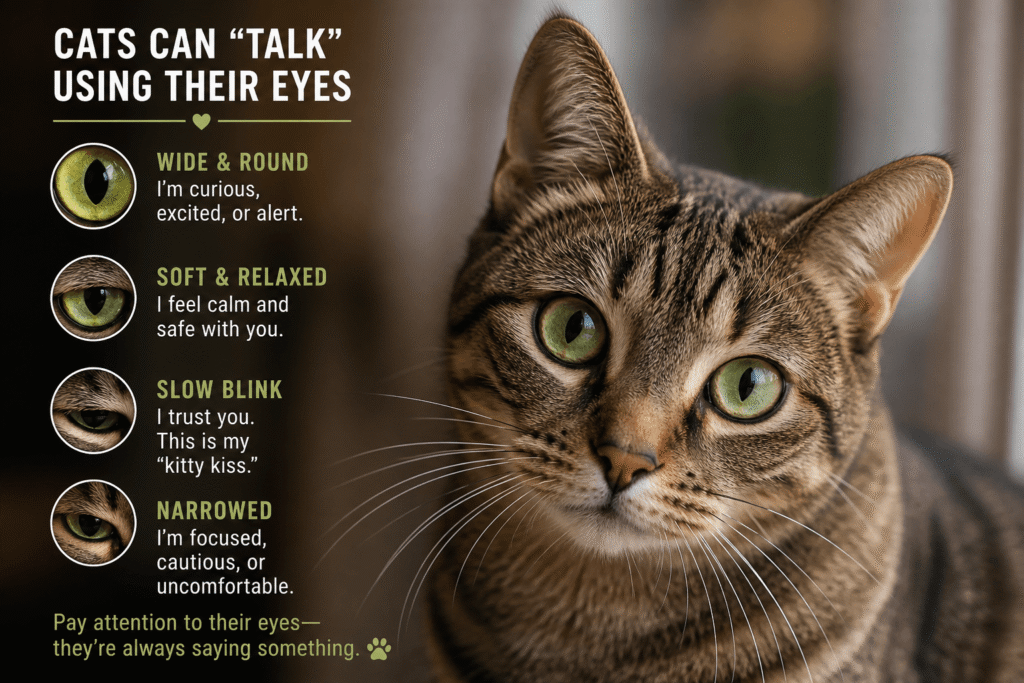
Cats Can “Talk” Using Their Eyes
Cats communicate more through body language than sound. One of the clearest signs of trust is a slow blink.
If your cat looks at you and slowly closes its eyes, it’s a way of saying it feels safe. Many pet owners notice that blinking back slowly can actually strengthen the bond.
Dogs Can Understand Human Feelings
Dogs are highly sensitive to human emotions. They can recognize changes in your voice, facial expressions, and even body posture.
When you feel sad or stressed, your dog often responds by staying close. This behavior is not random – it shows emotional awareness built through observation and experience.
Cats Always Land on Their Feet But Not Always Safely
Cats have a natural “righting reflex” that helps them twist their bodies mid-air and land on their feet.
However, this doesn’t mean they are immune to injury. The ability is impressive, but height and environment still matter.
Dogs Have Unique Nose Prints
Every dog’s nose has a unique pattern of ridges and lines. Just like human fingerprints, no two are the same.
This detail shows how individual each dog truly is, even when they look similar.
Cats Spend Most of Their Life Sleeping

Cats sleep between 12 to 16 hours a day. This might seem lazy, but it’s actually linked to their natural instincts.
In the wild, cats conserve energy for hunting. Domestic cats still carry that instinct, even if they never need to hunt for food.
Dogs Can Learn More Than You Expect
Some dogs can learn over 100 words and commands. They don’t just respond to sounds – they connect words with actions, objects, and routines.
This is why consistent training can make a big difference in how well a dog understands you.
Cats Don’t Taste Sweetness
Cats are biologically unable to taste sweet flavors. Their taste receptors are designed mainly for meat-based diets.
This explains why sugary foods don’t interest them the way they might interest other animals.
Dogs Don’t Always Wag Their Tail Out of Happiness
A wagging tail doesn’t always mean a dog is happy. It can also signal excitement, nervousness, or alertness.
The position and speed of the tail give more accurate clues about what the dog is feeling.
Cats Have Exceptional Hearing
Cats can rotate their ears and detect high-frequency sounds that humans can’t hear.
This makes them extremely aware of their environment, even when they appear relaxed or sleepy.
Dogs and Cats Both Dream
Pets experience sleep cycles similar to humans. When you see your dog moving its legs or your cat twitching, they are likely dreaming.
These dreams may reflect daily activities like playing, running, or exploring.
Pets Can Feel Jealousy
Dogs and cats can both react when they feel ignored. If you give attention to another pet or person, they may try to interrupt or come closer.
This behavior shows that they value attention and connection.
Cats Form Strong Bonds – Quietly
Cats are often misunderstood as distant, but they form deep attachments to their owners.
They may not show excitement like dogs, but they express trust through quiet companionship and consistent presence.
Dogs Thrive on Routine

Dogs feel more comfortable when their daily routine is predictable. Regular feeding, walks, and playtime help them feel secure.
A stable routine can also reduce anxiety and improve behavior.
they often predict what’s coming next. If you always grab a snack at a certain time, they might be waiting by the kitchen before you even stand up. Some dogs even sense when their owner is about to have a medical episode, such as a seizure or anxiety attack, and react accordingly.
The Human–Pet Connection Is Stronger Than You Think
Living with a dog or cat creates a unique emotional connection. They observe your habits, respond to your moods, and become part of your daily life.
Over time, this relationship grows into something deeper than simple companionship.
Conclusion
Dogs and cats are far more than just animals sharing your space.
They are intelligent, observant, and emotionally aware beings with their own ways of understanding the world. The more you learn about their behavior, the more you begin to notice that every small action has meaning.
special is not just their abilities, but the quiet bond they build with you over time.
While you are learning about them, they are already learning about you – watching, adapting, and becoming a part of your life in ways that often go unnoticed, yet never unimportant.