
 By
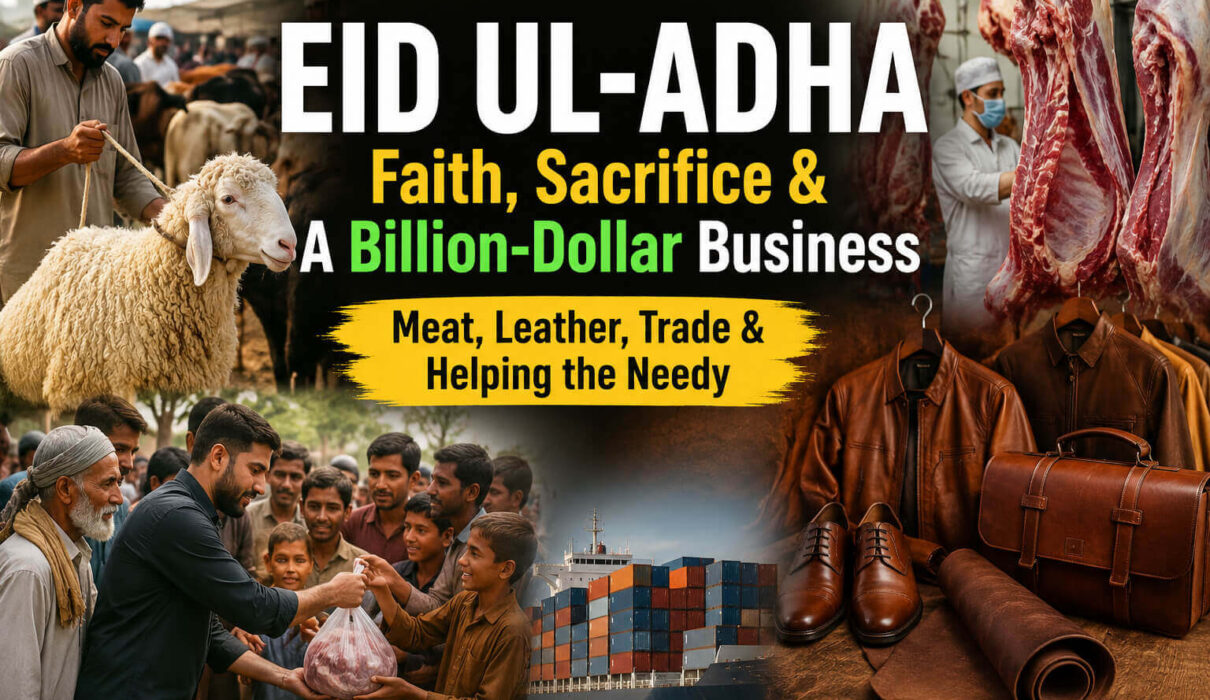
By Eid al-Adha is not just a religious festival. It is a complete system in which faith, charity, business, and community connect.
Every year, millions of Muslims around the world sacrifice animals as part of their religious duty, but the impact of this event goes far beyond worship. From meat distribution to leather production,
Eid al-Adha drives a massive economic cycle that benefits farmers, traders, companies, charities, and low-income families alike.
Wealthy people fulfill their religious obligation while low-income families receive meat, support, and help.
This is not only a test from God in Islam, but also a wisdom-filled system that supports society in many different ways.
Why Muslims Celebrate Eid al-Adha
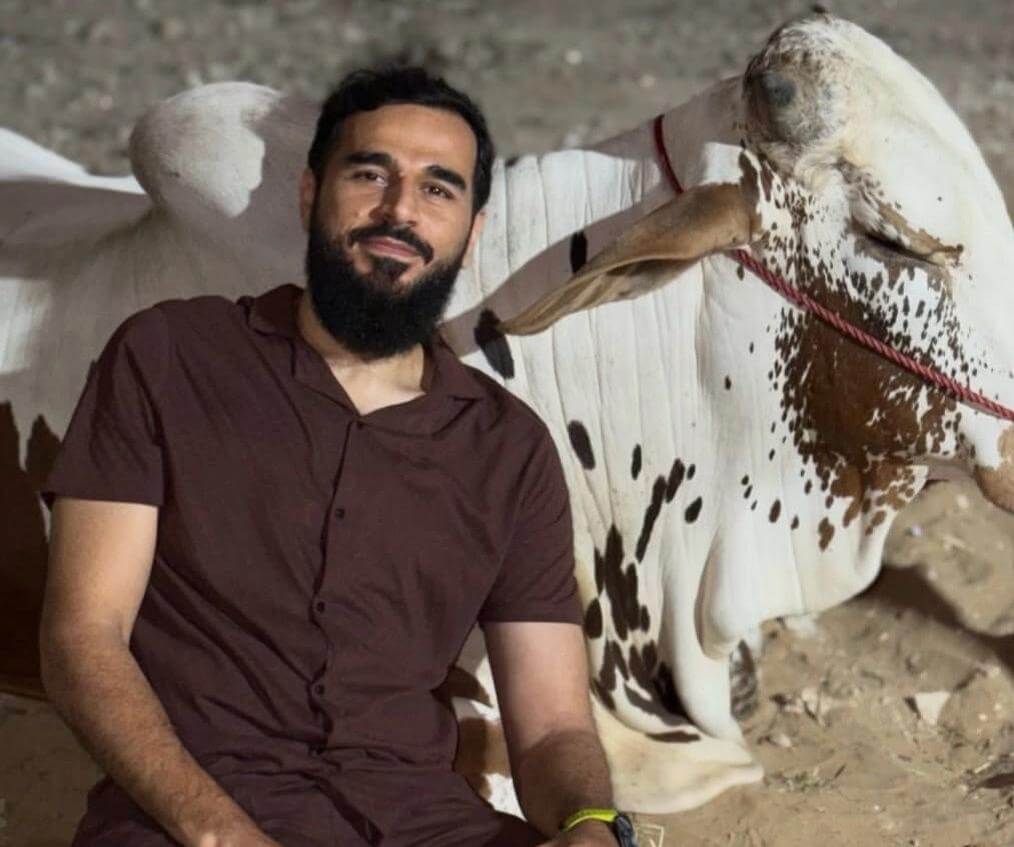
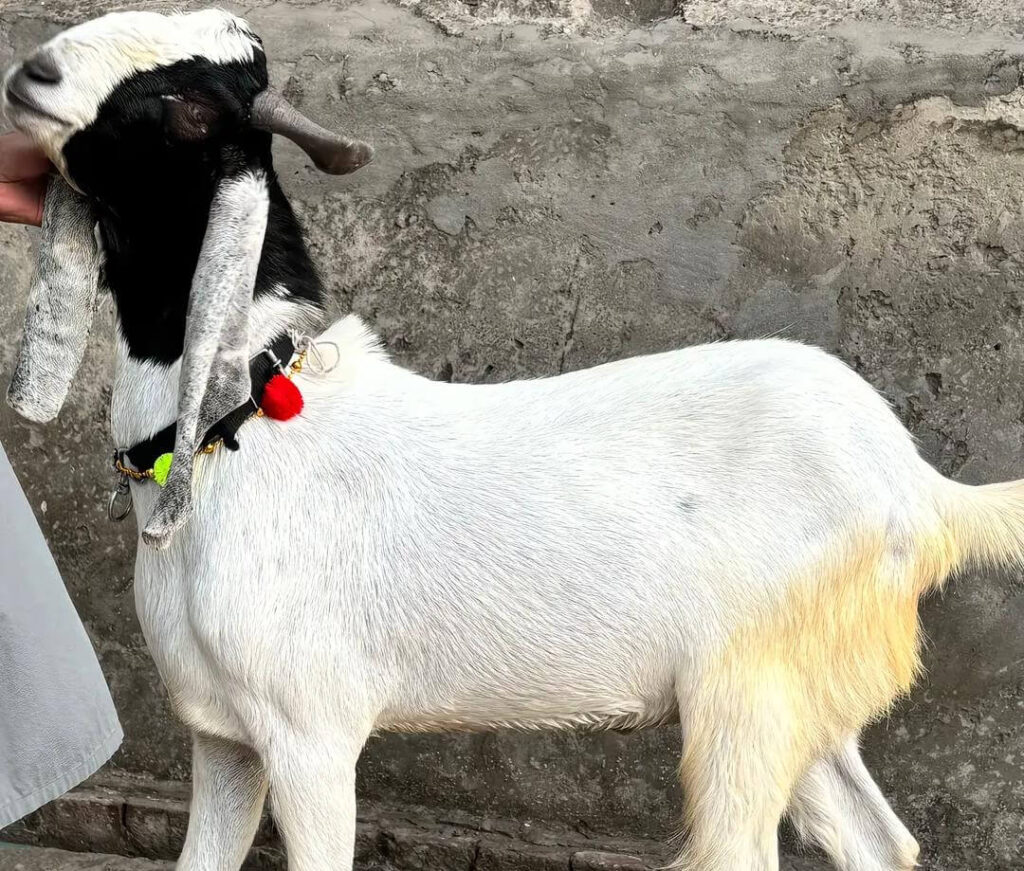
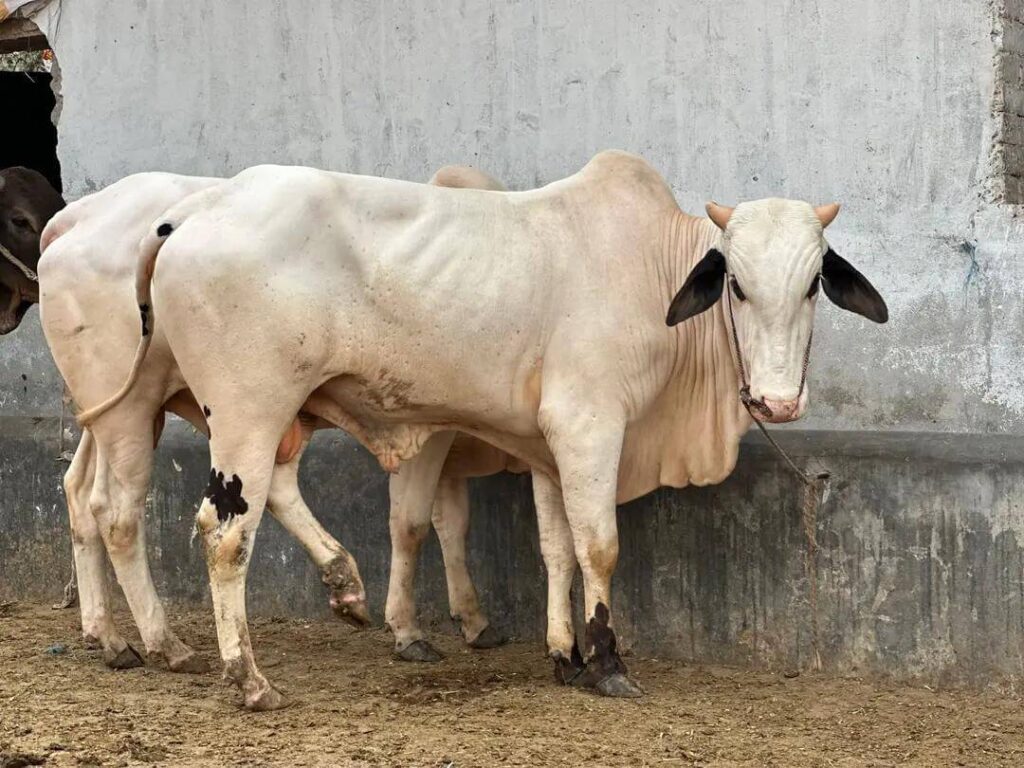
Eid al-Adha is celebrated in memory of Prophet Ibrahim (Abraham). According to Islamic belief, Prophet Ibrahim was tested by God and was willing to sacrifice what was most precious to him. Because of his faith and obedience, God replaced the sacrifice with an animal.
To remember this event, Muslims around the world perform Qurbani every year during Eid al-Adha.
The main purpose of this celebration is:
- To remember obedience and faith
- To promote sacrifice and discipline
- To help poor and needy people
- To encourage sharing within society
This is why Eid al-Adha is considered one of the most important Islamic festivals.
How Muslims Celebrate Eid al-Adha
On Eid day, Muslims:
- Offer a special Eid prayer
- Sacrifice animals such as goats, sheep, cows, or camels
- Divide the meat into three parts for the family, relatives, and poor people
This system helps millions of people receive food during Eid, especially families who normally cannot afford meat regularly.
How It Turns Into a Billion-Dollar Business
Eid al-Adha also creates one of the biggest seasonal economic activities in many countries.
Livestock Market Boom
Before Eid:
- Millions of animals are bought and sold
- Animal prices increase because of high demand
- Farmers prepare livestock months in advance
Large temporary animal markets are set up in many cities where thousands of people buy animals for Qurbani.
Transport and Supply Chain Industry
The festival activates multiple industries together, including:
- Animal farming
- Transportation services
- Animal feed businesses
- Veterinary services
- Temporary livestock markets
Trucks, workers, and suppliers all become part of this huge seasonal economy.
Meat Processing and Distribution
After the sacrifices:
- Meat is distributed on a massive scale
- Cold storage businesses become active
- Delivery and packaging services increase
In many countries, charities and welfare groups also organize meat distribution for poor communities.
The Huge Leather Business Behind Eid al-Adha
One of the biggest parts of Eid al-Adha that many people do not fully notice is the leather industry.
After Qurbani, millions of animal skins are collected by helping organizations. Instead of selling them personally, many Muslims donate the skins to charities, Islamic organizations Such as Bnoritown, Dawat-e-Islami, and welfare institutions to support poor people and the community.
These organizations sell the skins to leather companies.
How Animal Skins Are Processed
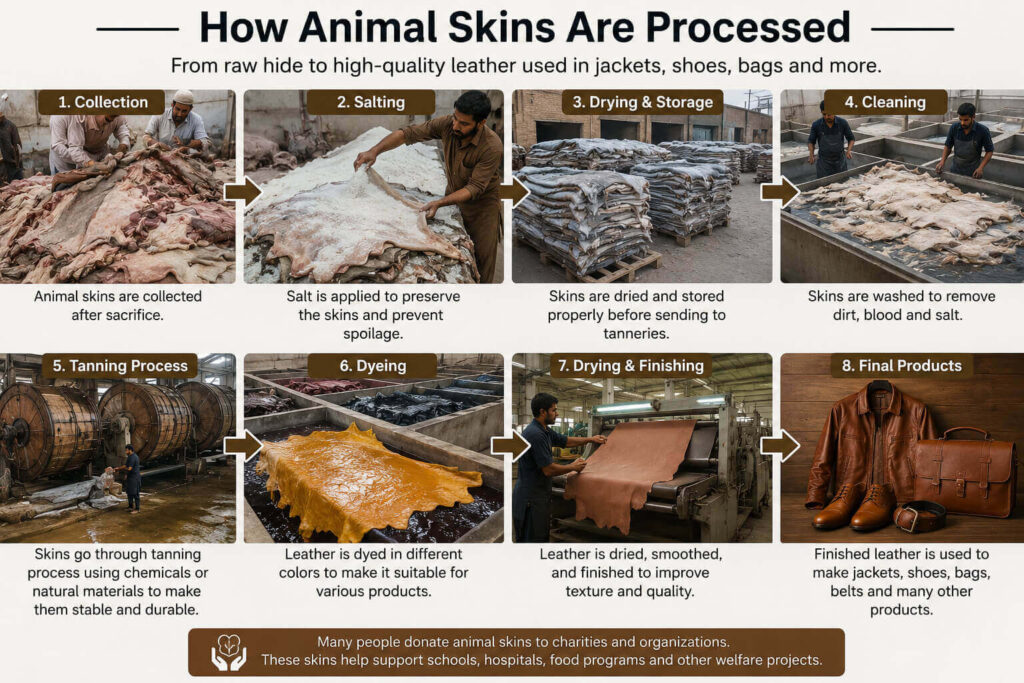
Once the skins are collected:
- Salt is applied to preserve them
- They are dried and stored properly
- Then, they are transported to leather factories for processing
This process converts raw animal skin into usable leather material.
How Leather Becomes Products
The processed leather is used to manufacture:
- Jackets
- Shoes
- Bags
- Belts
- Winter clothing
- Fashion accessories
Because of this, Eid al-Adha becomes an important season for the leather industry.
Import and Export Business
Leather is also part of a large international trade market.
Many countries export:
- Raw hides
- Processed leather
- Finished leather products
Global fashion brands and manufacturers use these materials, turning the leather sector into a multi-billion-dollar industry connected to Eid al-Adha.
Economic Impact of Eid al-Adha
During Eid al-Adha:
- Livestock trade reaches extremely high levels
- The meat industry becomes highly active
- Leather factories receive a massive raw material supply
- The transport and logistics industries grow rapidly
All these sectors together create a huge economic cycle in just a short period of time.
Final Thoughts
Eid al-Adha is much more than a religious celebration. It is a festival that combines faith, charity, business, and social support into one complete system. It helps low-income families, supports industries, creates jobs, and strengthens community connections.
That is why Eid al-Adha is remembered not only as a festival of sacrifice but also as one of the most distinctive social and economic systems connected to religion in the modern world.
Eid al-Adha is one of Allah’s great wisdoms, and no matter how much Muslims thank their Lord for it, it will always be less than what it truly deserves.
This is what a real festival looks like – where both the rich and the poor are happy.