
 By
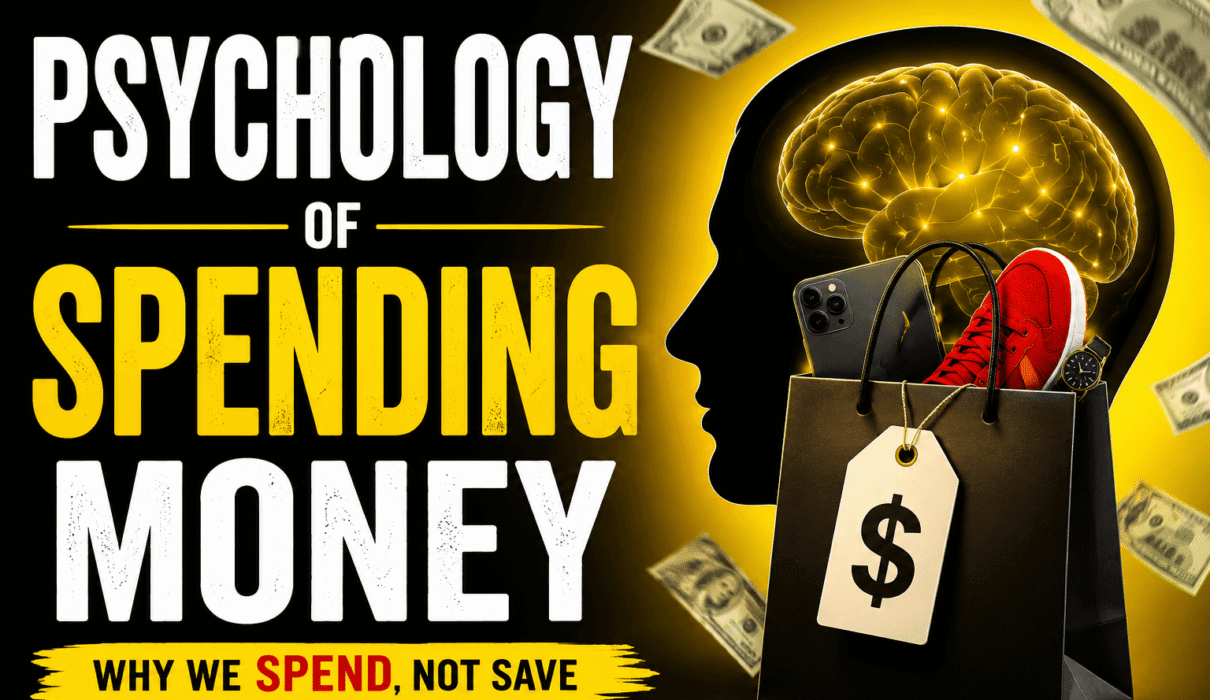
By You probably don’t notice it, but most of your money decisions are not really “decisions.” They feel like choices, but in reality, they are reactions,quick emotional responses shaped by mood, environment, habits, and even advertising you saw five minutes ago.
Think about the last thing you bought that you didn’t plan. Maybe it was food, clothes, a gadget, or something online at midnight. At that moment, it felt normal. Maybe even necessary. But later, when the excitement faded, you might have thought: “I didn’t really need that.”
That gap between “I want it now” and “Why did I buy this?” is exactly where psychology lives.
Money spending is not just about income or budgeting. It’s about how your brain behaves when it sees temptation, pressure, comfort, or emotion. And once you understand that, you start seeing spending in a completely different way.
Your Brain Doesn’t Think Like a Banker
We like to believe we are logical with money. But the human brain is not built like a calculator. It is built for survival, emotion, and quick rewards.
When you see something you like, your brain doesn’t first ask:
- “Is this within budget?”
- “Do I need this?”
- “Will this help me long term?”
It reacts emotionally first.
A small chemical called dopamine kicks in. That’s the same chemical responsible for pleasure and excitement. It creates a feeling of “I want this now.” Logic comes later.
That’s why people can walk into a store for one item and walk out with three bags. It’s not lack of discipline. It’s brain wiring.
The Trap “It’s Just a Small Amount”
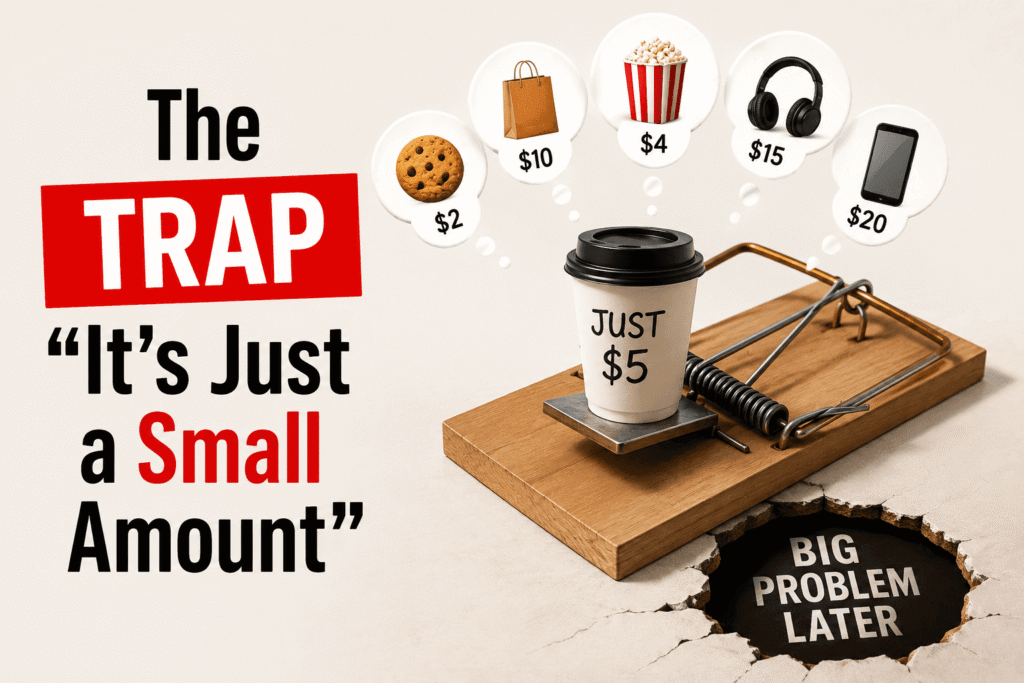
One of the biggest reasons people lose control of money because of small spending.
A single coffee feels harmless. A snack feels nothing. A small app subscription feels forgettable. But the brain is very bad at adding small things together emotionally.
So instead of seeing:
- $5 + $5 + $10 + $15…
Your mind says:
- “Just small things”
This is where most budgets quietly break.
It’s not the big purchase that destroys your finances-it’s the constant small leaks you don’t take seriously.
Why Buying Feels So Good (Even If You Don’t Need It)
There’s a strange truth about money: spending often feels better than saving.
Why? Because buying gives instant emotional feedback. Saving doesn’t.
When you buy something:
- You feel rewarded
- You feel relief
- You feel a small excitement
But when you save money, nothing “happens” in the moment. No dopamine spike, No emotional reward.
So the brain naturally prefers spending over saving unless you train it otherwise.
Saving money requires discipline not Spending
The Fake Pressure of “Now or Never”
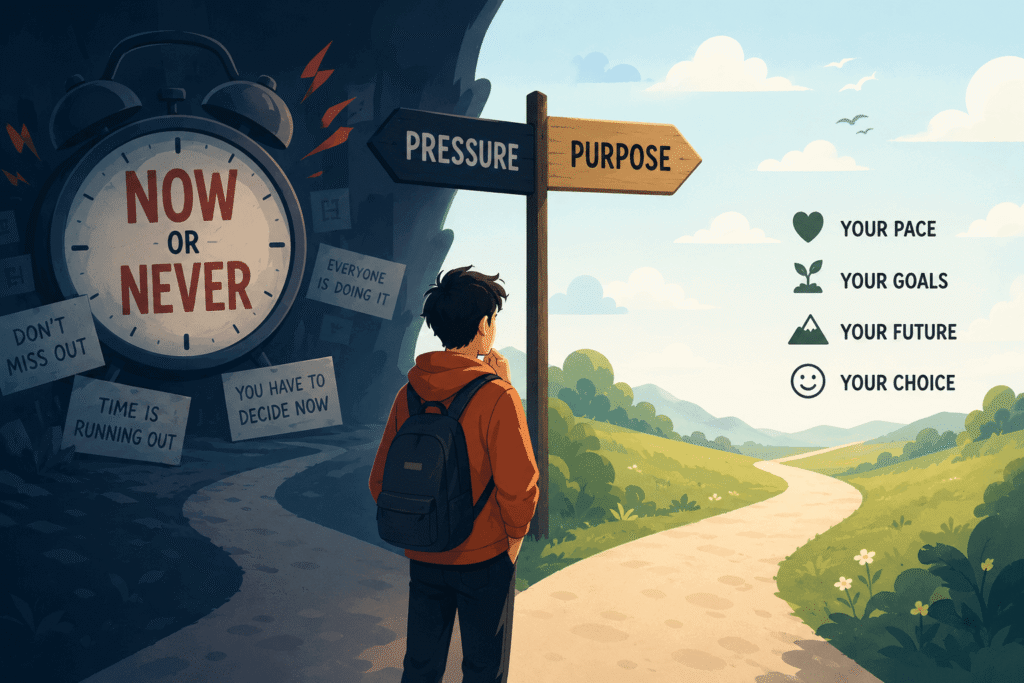
Ever noticed messages like:
- “Limited time offer”
- “Only 2 left”
- “Sale ends tonight”
This is not random language. It is psychological pressure.
We hate missing out more than they enjoy gaining something. This is called fear of missing out, and it can override logic very easily.
Even if you were not planning to buy something, the idea that you might lose the chance forever pushes you to act quickly.
And most of the time, once the urgency disappears, so does the desire.
Social Comparison: The Silent Money Killer
Another powerful force behind spending is comparison.
You don’t just buy things because you need them. You buy things because you see others having them.
- A friend gets a new phone → yours feels old
- Someone posts a vacation → your life feels boring
- A colleague wears branded clothes → yours feel “less”
This doesn’t happen consciously. It happens quietly in the background of your thoughts.
You start upgrading your lifestyle not because your needs changed, but because your comparison changed.
And that is one of the biggest reasons people overspend without realizing it.
Emotional Spending: Buying Feelings, Not Things
Many purchases are not about the product at all. They are about emotion.
People shop when they are:
- Stressed
- Lonely
- Bored
- Sad
- Even overly excited
Because buying gives a temporary emotional shift.
It’s not about the shirt, the gadget, or the food. It’s about:
- Feeling better
- Feeling in control
- Feeling rewarded
But the problem is simple: the emotion fades, the bill stays.
The Strange Way Payment Method Changes Behavior
Here’s something most people don’t realize: how you pay affects how much you spend.
- Cash feels painful. You physically see money leaving your hand.
- Card feels easier. It’s just a swipe.
- Online payments feel almost invisible. Just a tap.
The less “real” the payment feels, the easier it becomes to spend more.
That’s why people often spend more online than they planned. There’s no physical signal telling the brain: “You are losing something.”
Why You Spend More When You’re Tired
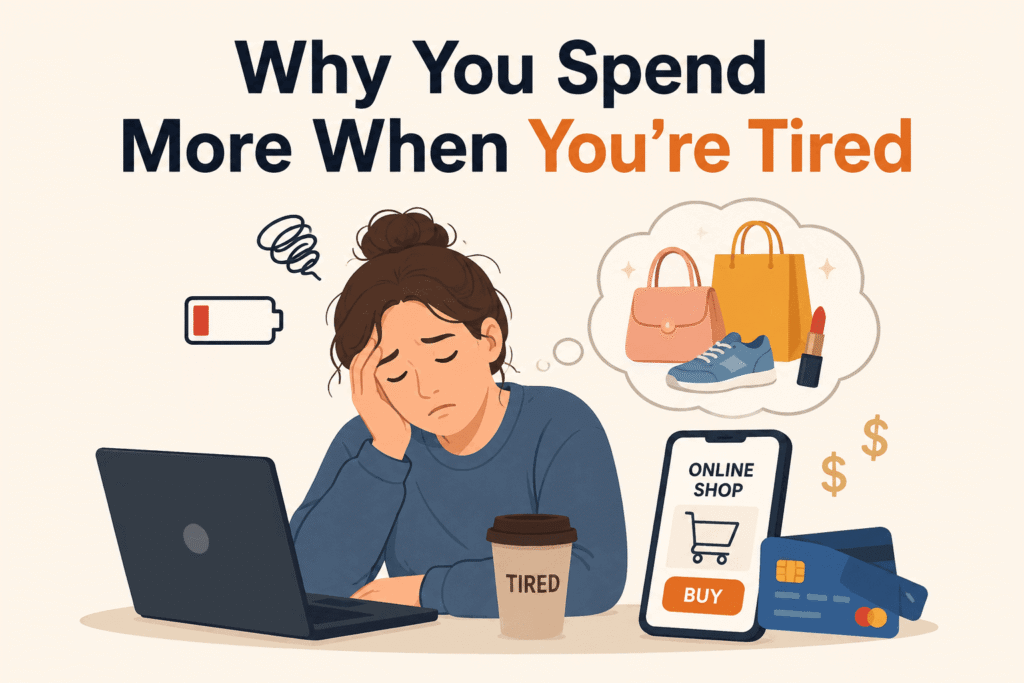
Decision fatigue is real.
When your brain is tired:
- You think less
- You resist less
- You choose easier options
And spending money becomes one of the easiest actions. No effort, instant reward.
That’s why most impulse purchases happen:
- Late at night
- After a long day
- During emotional exhaustion
At that moment, the brain stops analyzing and starts reacting.
Identity Spending: You Don’t Buy Things, You Buy Who You Are
This is one of the deepest layers of money psychology.
People don’t just buy products. They buy identity.
- A phone becomes “status”
- Clothes become “confidence”
- Cars become “success”
Sometimes, people don’t even realize they are doing it.
They think:
“I like this brand”
But deeper down, it is:
“This makes me feel like the version of myself I want to be”
That’s why people sometimes stretch their budget-not for need, but for identity.
How Habits Quietly Control Your Spending
Not all spending is emotional or conscious. A lot of it is automatic.
- Same coffee every morning
- Same snack after work
- Same weekend shopping routine
These patterns become habits. And habits don’t require thinking.
The brain starts running on autopilot:
cue → action → reward
You don’t decide anymore. You just follow the pattern.
And that’s why many people feel like their money “disappears” without knowing where it went.
The Real Reason People Struggle With Money
It’s not always income. It’s behavior.
Even people who earn well struggle because:
- They react instead of plan
- They spend emotionally instead of logically
- They follow habits instead of awareness
Money problems are often psychology problems wearing a financial mask.
How to Slowly Take Control Back
You don’t need extreme discipline. You need awareness and small changes.
Start simple:
Pause before buying anything non-essential. Even 10–20 seconds helps break emotional reaction.
Ask yourself one honest question:
“Am I buying this because I need it, or because I feel something right now?”
Reduce exposure to triggers-ads, social comparison, random scrolling. Less exposure means fewer impulses.
And most importantly, track your spending without judging it. Just observe it. Awareness alone changes behavior over
MY OPOINION
Spending money is not just about numbers. It’s about your mind, your emotions, your habits, and the invisible forces.
Once you see that clearly, money stops being confusing. You start noticing patterns instead of random decisions.
And slowly, something important happens when you stop reacting to money, and start directing it.
Put your savings to work. There are many savings and investment accounts suitable for short- and long-term goals. And you don’t have to pick just one. Look carefully at all the options and consider balance minimums, fees, interest rates, risk and how soon you’ll need the money. This information will help you choose the mix that works best for your goals.