
 By
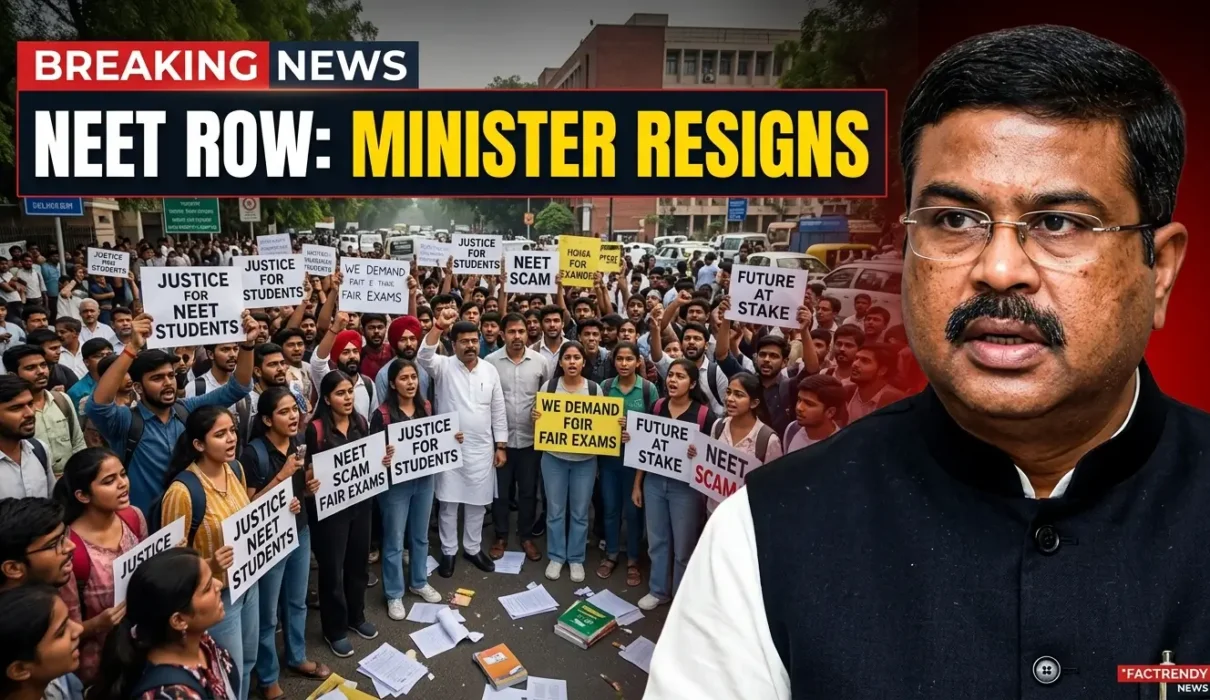
By Dharmendra Pradhan stepped down as Union Education Minister on July 25, 2026, following weeks of student protests over the NEET-UG controversy and claims of exam irregularities. Students across Delhi and other regions had been calling for accountability and action regarding the medical entrance exam system.
This decision is a significant political moment in the NEET controversy, which had put pressure on the government about exam transparency and student trust. Pradhan gave his resignation to Prime Minister Narendra Modi, saying he wanted to protect students’ futures and prevent the issue from harming young aspirants.
The NEET controversy had become a major issue among students preparing for medical entrance exams. Thousands of candidates raised concerns over alleged irregularities, demanding that authorities take stronger steps to protect the credibility of one of India’s most competitive examinations.
The immediate reason behind Dharmendra Pradhan’s resignation was the rising pressure from student-led protests over the NEET-UG controversy. Protesters had been demanding accountability from the Education Ministry, arguing that students who work for years preparing for medical entrance exams deserve a fair and transparent process.
Why Did Dharmendra Pradhan Step Down?
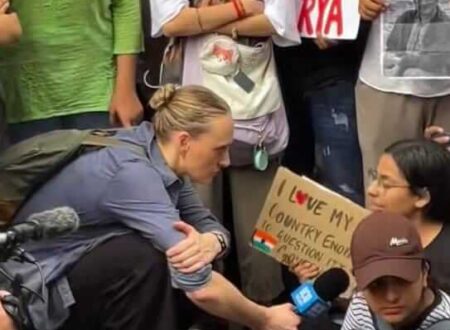
The protests gained momentum in Delhi, particularly around major demonstration areas, where students and supporters called for accountability from officials responsible for the examination system. The movement continued for weeks, turning the NEET issue into a wider debate about education reforms and government accountability.
Answering the question of why this happened, Dharmendra Pradhan resigned because the NEET examination controversy created intense public and political pressure, with protesters demanding that the government take responsibility for alleged failures in maintaining exam credibility. His resignation was presented as a step focused on preventing further disruption to students’ academic futures.
In his resignation message, Pradhan said he had taken responsibility for the situation and did not want the controversy to damage the future of deserving students. He also defended the government’s actions, saying steps had been taken to address the concerns surrounding the examination process.
The resignation does not end the larger questions surrounding the NEET issue. Students and activists are still looking for long-term reforms that can restore confidence in national-level examinations and ensure that future candidates do not face similar uncertainty.
Neet Row and Student Anger Delhi
The anger among students was not only about one examination but also about trust in the overall education system. For many aspirants, competitive exams like NEET represent years of preparation, financial investment, and personal sacrifice.
A controversy surrounding such an important exam can create anxiety among millions of students and their families. This is why the NEET-UG issue quickly moved beyond a simple administrative matter and became a national discussion about fairness, transparency, and accountability.
The Delhi protests reflected growing frustration among students who wanted clear answers from authorities. Demonstrators argued that reforms were necessary so that examination systems remain reliable and students can focus on preparation rather than uncertainty.
The government had already announced steps related to investigations and changes to the examination process. However, protesters continued to demand stronger action, saying that accountability was necessary to rebuild confidence among students.
The controversy also highlighted a bigger challenge facing education systems worldwide: maintaining public trust when millions of young people depend on competitive examinations for their careers.
What Happens After Jantar Mantar Protest?
Dharmendra Pradhan’s resignation and Jantar Mantar Protest create a new political and administrative challenge for the government, Cockroach Janta Party and CJP as it manages the education portfolio during a sensitive period. The next steps will likely focus on addressing student concerns and improving confidence in the examination system.
For students preparing for NEET and other competitive exams, the biggest concern remains the future of the examination process. They want assurance that upcoming exams will be conducted fairly and that previous problems will not repeat.
The resignation has also started a broader conversation about how India manages national entrance examinations. Beyond political reactions, the issue has brought attention to the need for stronger systems, better monitoring, and faster responses when problems emerge.
Student movements have historically played a major role in pushing governments to address education-related concerns. The NEET controversy shows once again that young voters and students are increasingly demanding transparency from institutions that directly affect their future.
The coming weeks will determine whether this resignation becomes a turning point for education reforms or remains only a political response to public pressure. For millions of students, the real measure of change will not be a resignation alone but whether the examination system becomes more trustworthy, transparent, and fair.