
 By
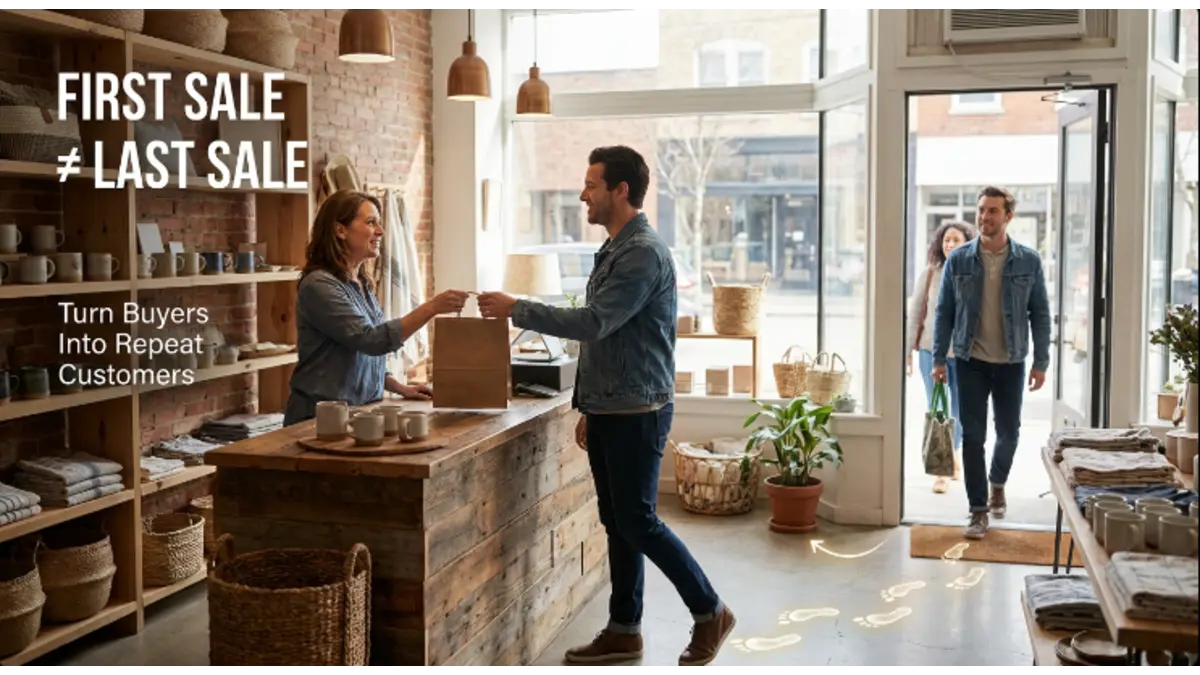
By This Guide Covers How to turn first time customers into repeat customers. Getting someone to buy from your business once is a win. Getting that same person to come back without constantly offering discounts is much more valuable. This guide is a part of our main guide: Small Business Growth Tips
A first time customer has already done something important: they trusted your business enough to make a purchase. The next challenge is giving them a good enough reason to choose you again.
That reason isn’t always a coupon or loyalty program. Sometimes it’s a product that worked exactly as promised. Sometimes it’s a smooth buying experience, helpful service, a thoughtful follow-up, or simply making the next purchase easier than the first one.
How to Turn First Time Customers Into Repeat Customers
If you want to turn first time buyers into repeat customers, think beyond the first transaction. The relationship you build after the sale can have just as much impact as what happened before it.
Start by Making the First Purchase a Good Experience
This sounds obvious, but it is where repeat business begins.
Customers are unlikely to return because of a clever follow-up email if their first experience was frustrating.
Maybe the product arrived late. Maybe the staff was unhelpful. Maybe the checkout process was confusing. Maybe the customer couldn’t get an answer when something went wrong.
Before trying to increase repeat purchases, look closely at the entire first buying experience.
Ask yourself:
- Was it easy to find the right product?
- Was the price clear?
- Did the customer know what to expect?
- Was checkout simple?
- Did the product arrive or get delivered when promised?
- Was getting help easy?
- Did the product actually match what was advertised?
You don’t need a complicated customer-retention strategy to fix a bad experience. Sometimes improving one frustrating part of the buying process can do more than another promotional campaign.
Don’t Disappear After the Sale
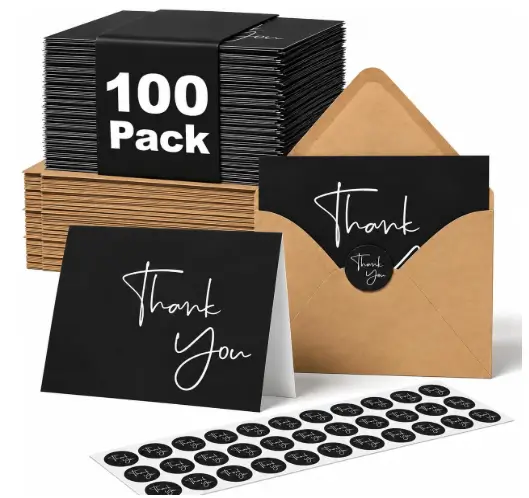
One of the biggest mistakes businesses make is treating the purchase as the finish line.
For the customer, it’s often the beginning of their experience with your brand.
A simple follow-up can show that you care about what happens after the payment.
For example, an online store could send a message confirming the order, followed by useful information about delivery or product use. A service business might check in after completing the work. A local retailer could invite the customer back when a relevant product arrives.
The message doesn’t have to say, “Buy something else now.”
Sometimes a helpful message is more effective:
“Hope you’re enjoying your new shoes. Here’s how to keep them looking their best.”
That gives the customer something useful instead of immediately asking for another purchase.
Give Customers a Reason to Come Back
Customers need a reason to return.
For some businesses, the reason is obvious. A customer eventually needs more coffee, skincare, pet food, groceries, or other consumable products.
For other businesses, you may need to create a reason.
That could be:
- New products arriving regularly
- Seasonal collections
- Members-only access
- Useful educational content
- Product upgrades
- Refill reminders
- New services
- Special events
- Early access to launches
The important part is relevance.
If a customer bought a winter coat from you, constantly sending unrelated promotions won’t necessarily bring them back.
But telling them about a new collection of products that complements their previous purchase makes much more sense.
Make the Second Purchase Easier Than the First
The second purchase should not feel like starting from zero.
If someone already bought from you, you may already know what they purchased, their preferred size, their usual product category, or the service they used.
Use that information to reduce friction.
An online store might let customers reorder a frequently purchased item with a couple of clicks.
A service business could remind a customer when they’re likely to need another appointment.
A local retailer could let customers know when an item similar to their previous purchase arrives.
The easier you make the next purchase, the less effort the customer has to spend deciding whether to return.
Personalize Your Follow-Up
Personalization doesn’t mean putting someone’s first name at the beginning of every email.
Real personalization is about making the message relevant.
Imagine two customers.
One purchased running shoes.
Another purchased formal dress shoes.
Sending both customers the same message about your newest running collection isn’t personalization.
Instead, use purchase history to make your communication more useful.
The running-shoe customer might receive information about running socks, shoe care, or new athletic products.
The formal-shoe customer might be interested in belts, dress accessories, or another formal collection.
The recommendation should feel like something the customer might genuinely want, not something your business simply needs to sell.
Use Discounts Carefully
Discounts can bring customers back, but relying on them too heavily can create a problem.
If customers learn that your business regularly offers 30% or 40% discounts, some may simply wait for the next sale instead of buying at the regular price.
You don’t have to eliminate discounts. Just give them a purpose.
A small welcome-back offer can encourage a second purchase. A loyalty reward can recognize an existing customer. A limited promotion can help move seasonal products.
But your retention strategy shouldn’t depend entirely on lowering prices.
Sometimes the best reason to return is better service, better products, convenience, or a customer experience that people remember.
Create a Simple Loyalty Program
A loyalty program can give customers a clear reason to choose your business again.
It doesn’t have to be complicated.
A small coffee shop might offer a free drink after a certain number of purchases. A clothing store could provide early access to new collections. An online retailer might give returning customers free shipping or member-only benefits.
The reward needs to be understandable.
If customers have to read several pages to figure out how the program works, you’ve probably made it too complicated.
A good loyalty program should answer three simple questions:
How do I earn rewards?
What do I get?
How soon can I use it?
If customers can understand those answers immediately, participation becomes much easier.
Ask Customers What Would Make Them Return
Sometimes the simplest way to improve customer retention is to ask.
After a purchase, you can ask customers a short question:
“What could we do to make your next experience even better?”
Their answers can reveal problems you might not see from sales data.
Maybe customers want faster delivery.
Maybe they want more product choices.
Maybe your return policy is confusing.
Maybe they love the product but find the checkout process annoying.
You don’t need every customer to complete a long survey. Even short feedback can reveal patterns when you collect enough responses.
And when customers mention the same problem repeatedly, pay attention.
Fix Problems Quickly When Something Goes Wrong
A customer who has a problem isn’t necessarily a lost customer.
How you handle the problem can determine whether they ever return.
If an order arrives damaged, a product doesn’t work, or a service doesn’t meet expectations, make it easy for the customer to contact you.
Listen first. Explain what you can do. Then solve the problem as quickly as reasonably possible.
A complicated return process can turn a small problem into a reason to never shop with you again.
A simple resolution can do the opposite.
The goal isn’t to pretend mistakes never happen. Every business makes mistakes. The goal is to show customers that you take responsibility when something goes wrong.
Remember Your Best Customers
Not every customer needs the same amount of attention.
Someone who has purchased from you five times is different from someone who made one small purchase six months ago.
Your customer data can help you identify people who regularly buy from your business.
You can then create more relevant experiences for them, such as early access, personalized recommendations, useful reminders, or invitations to special events.
This doesn’t mean ignoring new customers.
It means recognizing that existing customers have already shown you that they value what you offer.
Give Customers Something Worth Talking About
People remember businesses that make an experience feel personal.
That doesn’t necessarily mean giving away expensive gifts.
It could be a handwritten thank-you note with an order, useful product advice from an employee, thoughtful packaging, a surprisingly easy return, or a small unexpected benefit.
These details can make a routine purchase feel less transactional.
For a small business, this can be especially valuable because you may be able to provide a level of personal attention that a much larger company cannot easily reproduce.
You don’t need to create a huge “wow” moment every time.
Consistently being helpful is often more powerful.
Know When to Contact Customers Again
Timing matters.
Contact a customer too soon and the message can feel like a sales pitch.
Wait too long and the customer may forget about your business.
The right timing depends on what you sell.
A customer buying a product they use every few weeks may need a reminder sooner than someone buying furniture that could last for years.
Look at your normal buying cycle.
If customers typically reorder a product after 30 to 45 days, that gives you a starting point for your follow-up timing.
You can then test different timing and see when customers respond best.
Track Repeat Customers Instead of Guessing
If your goal is to increase repeat business, measure it.
Useful numbers can include:
| Metric | What it tells you |
|---|---|
| Repeat purchase rate | How many customers buy again |
| Purchase frequency | How often customers return |
| Average order value | How much customers spend per purchase |
| Customer retention rate | How well you keep customers over time |
| Time between purchases | How long customers typically wait before buying again |
You don’t need a complicated analytics system to start.
Even a basic spreadsheet can help a small business identify whether customers are returning and which products or customer groups generate repeat purchases.
The important thing is to compare your results over time rather than obsessing over one month’s number.
A Simple First to Repeat Customer Journey
Here’s what a healthy customer journey might look like:
First purchase → Thank-you message → Helpful follow-up → Product experience → Relevant recommendation → Easy second purchase → Loyalty/reward → Repeat purchase
Notice that not every stage is a sales pitch.
That’s intentional.
If every interaction asks the customer to buy something, the relationship starts to feel transactional.
Instead, each interaction should give the customer a reason to continue paying attention to your business.
What If Customers Don’t Come Back?
Don’t immediately assume the answer is another discount.
First, find out why.
Customers may not return because:
- They were unhappy with the product.
- The buying experience was difficult.
- They don’t need the product again yet.
- Your business stopped communicating with them.
- They found a more convenient competitor.
- They didn’t see anything relevant after their first purchase.
- They simply forgot about your business.
Different problems require different solutions.
If customers love the product but forget to reorder, reminders may help.
If they dislike the checkout process, improving the experience is more important.
If your products are too expensive for the market you’re targeting, another email campaign won’t solve the underlying problem.
Retention improves when you solve the reason customers leave.
Frequently Asked Questions
How do you turn a first time customer into a repeat customer?
Start with a good first experience, follow up after the purchase, provide useful and relevant communication, make the next purchase easy, and give customers a genuine reason to return.
When should you contact a customer after their first purchase?
It depends on what you sell. A thank-you or order follow-up can happen shortly after purchase, while promotional or reorder messages should usually match the customer’s expected buying cycle.
Do discounts help turn first-time customers into repeat customers?
They can, especially when used strategically. However, relying on discounts for every repeat purchase can reduce margins and train customers to wait for sales. Convenience, service, product quality, and personalized recommendations can also encourage repeat business.
How can a small business increase repeat customers without spending a lot?
Focus on the customer experience, personal follow-ups, helpful recommendations, simple loyalty rewards, fast problem resolution, and making reordering easy. Many of these improvements cost little compared with constantly acquiring new customers.
Final Thoughts
Turning first time customers into repeat customers isn’t about finding one magical loyalty trick.
It starts with giving people a reason to trust your business again. If you want to increase sales in your store, read the highlighted guide.
Make the first purchase easy. Deliver what you promised. Stay helpful after the sale. Remember what customers actually bought. Make their next purchase simpler. And when something goes wrong, fix it instead of making the customer fight for a solution.
The businesses that retain customers aren’t always the ones offering the biggest discounts.
They’re often the ones that make customers think, That was easy. I’ll buy from them again.