

 By
By We scroll through social media, watch videos, search for answers on Google, and shop online without thinking twice. But beyond the websites we use every day, there is another side of the internet that many people never see.
A hidden network filled with mystery, secrecy, strange stories, and controversial activities. This hidden world is known as the Dark Web.
Some people describe it as a dangerous digital underground where criminals operate freely. Others believe it’s simply a private corner of the internet designed to protect anonymity and freedom of speech.
While many myths about the Dark Web are exaggerated, there are still shocking & unbelievable facts about it .
What makes the Dark Web so fascinating is not just the illegal activities connected to it, but the way it challenges how we think about privacy, security, and the internet itself. The deeper you learn about it, the more surprising it becomes.
The Dark Web Is Hidden From Search Engines
One of the biggest misconcept is that the Dark Web is easy to find. In reality, most search engines like Google cannot index Dark Web websites. These hidden sites usually use encrypted networks and special domain systems that normal browsers cannot open.
Accessing it requires specific software and knowledge. The hidden nature of the Dark Web is exactly what gives it its mysterious reputation.
The Internet You Use Daily Is Only a Small Part
Most people are shocked to learn that the websites they normally visit make up only a small percentage of the entire internet. The visible internet is often called the Surface Web. Beneath that lies the Deep Web, which contains private databases, banking systems, medical records, academic archives, and password-protected information.
The Dark Web is only a small section of the Deep Web, but it gets most of the attention because of its anonymity and underground activities.
A Special Browser Is Needed
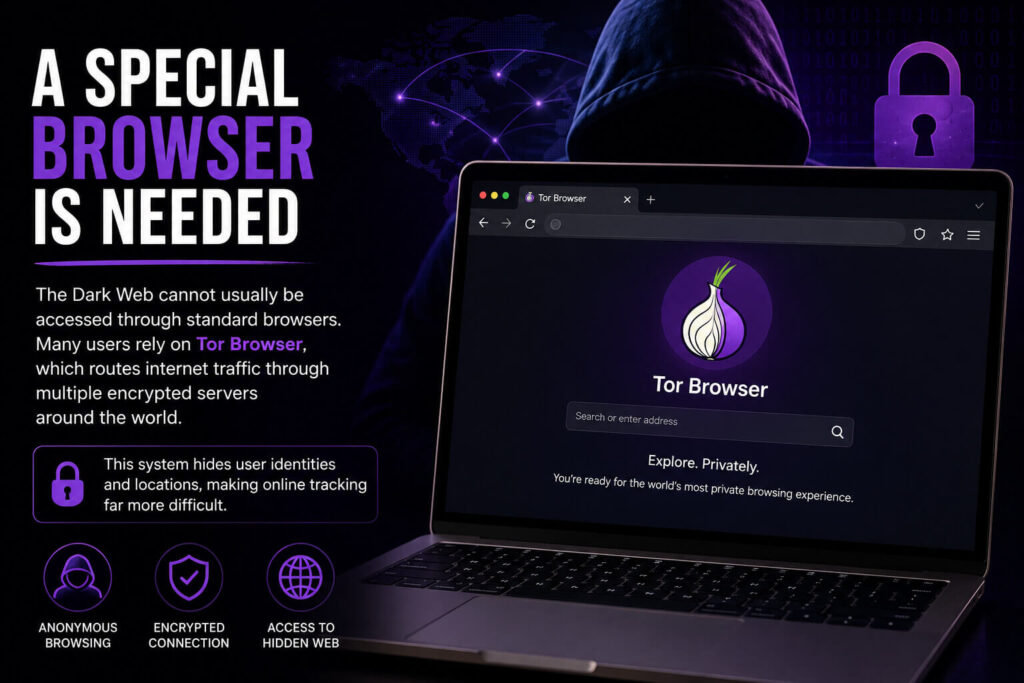
The Dark Web cannot usually be accessed through standard browsers. Many users rely on Tor Browser, which routes internet traffic through multiple encrypted servers around the world.
This system hides user identities and locations, making online tracking far more difficult. Originally, the technology behind Tor was created to support secure and anonymous communication.
Today, millions of people use anonymous browsing tools for many different reasons, ranging from privacy concerns to bypassing censorship.
Not Everything on the Dark Web Is Illegal
Movies and social media often make the Dark Web look like a place filled only with criminals, but that idea is not completely accurate. Some people use anonymous networks for perfectly legal reasons.
Journalists use secure communication channels to protect sensitive sources. Activists living under strict governments may rely on anonymous browsing to avoid surveillance. Whistleblowers sometimes use hidden platforms to share important information safely.
In some countries where internet censorship is severe, anonymous online access can become a matter of personal safety.
Illegal Marketplaces Became Extremely Powerful
One of the most shocking fact about the Dark Web is how advanced some illegal marketplaces became over the years. Hidden websites started operating almost like regular online stores, complete with reviews, ratings, customer feedback, and secure payment systems.
One famous example was Silk Road. It became globally known for allowing anonymous online transactions involving illegal goods and services.
The platform was eventually shut down by authorities, but its existence shocked people around the world because it showed how organized underground digital economies had become.
Cryptocurrency Played a Huge Role

The growth of Bitcoin changed the Dark Web forever. Before cryptocurrency became popular, anonymous online payments were much harder to manage. Bitcoin allowed users to send payments digitally without relying on traditional banks.
Although cryptocurrencies can still be tracked in many situations, they became strongly connected to the Dark Web because they offered a level of privacy and independence that traditional payment systems could not provide.
Interestingly, cryptocurrency eventually became mainstream and is now used legally by millions of people worldwide.
Many Scary Stories Are Fake
The Dark Web has inspired countless myths and horror stories online. You may have heard claims about “red rooms,” secret live streams, mysterious organizations, or impossible criminal services hidden online.
While criminal activity certainly exists, many of these stories are fake or heavily exaggerated. Some are invented purely to attract views, clicks, and attention on social media platforms and video websites.
The mystery surrounding the Dark Web makes it easy for fictional stories to spread quickly because people are naturally curious about hidden things.
Stolen Information Is Bought and Sold
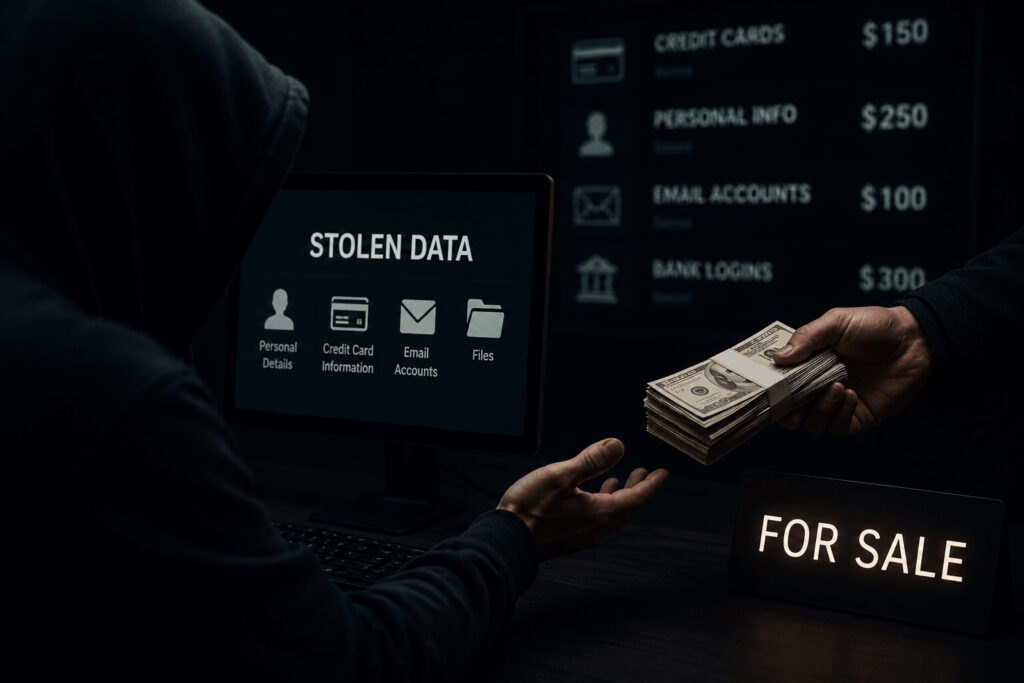
One of the most dangerous reality of the Dark Web is the trade of stolen information. Cybercriminals sometimes use hidden forums and marketplaces to exchange hacked passwords, personal accounts, financial details, and leaked databases.
After major company data breaches, stolen information may appear for sale online within hours. This is why cybersecurity experts constantly encourage people to:
- Use strong passwords
- Avoid reusing passwords
- Enable two-factor authentication
- Stay cautious with suspicious emails and links
A single weak password can sometimes expose far more personal information than people realize.
The Dark Web Is Constantly Monitored
A common myth is that nobody can track illegal activity on the Dark Web. In reality, law enforcement agencies and cybersecurity experts actively investigate hidden networks.
Over the years, authorities around the world have shut down major illegal marketplaces, arrested cybercriminals, and traced anonymous activities through advanced digital investigations.
Even though anonymity tools make tracking harder, they do not guarantee complete invisibility.
Curiosity Can Become Dangerous
Many people try exploring the Dark Web simply out of curiosity after hearing stories online. However, entering hidden online spaces without proper knowledge can be risky.
Scams, fake downloads, dangerous links, malware, and hacking attempts are extremely common. Some websites are designed specifically to trap careless visitors.
Experienced internet users can encounter security threats if they are not careful. This is one reason experts strongly discourage random exploration of hidden networks.
The Dark Web Changes Constantly
Unlike normal websites that stay online for years, Dark Web sites often disappear suddenly. Some are shut down by authorities, while others vanish because they were scams from the beginning.
This creates an unstable environment where websites appear, disappear, and reappear under different names. The hidden nature of the Dark Web makes it difficult to maintain long-term stability.
The Dark Web Influenced Online Privacy
One surprising fact is that the Dark Web indirectly helped bring attention to online privacy issues. As more people became aware of surveillance, tracking, and data collection, interest in privacy tools increased worldwide.
Encrypted messaging apps, secure browsers, VPN services, and privacy-focused technologies became more popular as users started taking digital security more seriously.
Today, online privacy is a global discussion, and anonymous internet technologies played a role in shaping that conversation.
Governments and Researchers Also Use Anonymous Networks
Anonymous communication tools are not used only by criminals. Researchers, intelligence agencies, journalists, and cybersecurity professionals sometimes rely on similar technologies for secure investigations and communication.
In dangerous situations, protecting digital identity can be critically important. This is why the technology behind anonymous browsing remains controversial. It can protect freedom and privacy, but it can also be abused.
Some Dark Web Communities Focus on Knowledge
Not every hidden forum revolves around illegal activity. Certain communities discuss cybersecurity, privacy, technology, and internet freedom. Some users are deeply interested in digital rights and anonymous communication rather than criminal behavior.
This mix of legal and illegal content is part of what makes the Dark Web difficult to define in simple terms.
Media Often Exaggerates the Reality
Television shows, movies, and online videos frequently present the Dark Web as a terrifying digital nightmare. While there are dangerous parts of the hidden internet, entertainment media often exaggerates reality to make stories more dramatic.
In truth, the Dark Web is less like a science-fiction movie and more like an unregulated hidden network where privacy, freedom, crime, curiosity, and risk all exist together.
The Dark Web Reflects Human Nature
Perhaps the most shocking fact of all is that the Dark Web is not just about technology – it reflects human behavior itself. The same internet that allows people to learn, communicate, and share knowledge can also be used for deception, crime, and harmful activities.
Technology itself is neutral. The difference depends on how people choose to use it.
My Opinion
Dark Web remains one of the most mysterious parts of the internet because so much about it stays hidden from public view.
Behind the myths, rumors, and scary headlines lies a complicated digital world where anonymity can be both protective and dangerous at the same time.
Others misuse the same tools for illegal activities that threaten cybersecurity and personal safety. That balance between freedom and danger is what makes the Dark Web so fascinating.
As technology continues to evolve, discussions about privacy, online security, and anonymous communication will only become more important. The Dark Web may remain hidden, but its influence on internet culture, cybersecurity, and digital privacy is already shaping the future of the online world.